On the Birth of Margaret Mary Barry

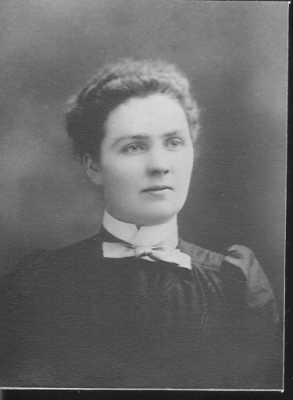
My maternal great-grandmother, Margaret Mary Barry, was born in Kinsale, Ireland on January 4, 1877. According to the Registrar General of Marriages, Births, and Deaths in Ireland: Fourteenth Annual Report 1877, there were 100 baby girls born in Kinsale between January and March 1877. Two women died in childbirth during the same time period. The report is available at this link.

Sadly, one of those women was my great-great-grandmother Margaret Mary Coleman. She was 18 years old when she died the day after giving birth to her first child.

In 1877, the leading causes of maternal mortality were infection from unsafe birthing practices, excessive bleeding without the benefit of transfusions, and convulsions due to high blood pressure. The registration of Margaret Barry’s (née Coleman) death is available online at this link. The cause is listed as puerperal peritonitis (postpartum infection). Her husband Thomas Barry, a farmer, was present at her death.

My grandmother told us that newborn Margaret was swaddled in her grandmother’s apron and brought home to be raised by relatives until Thomas remarried several years later. The birth registration for my great-grandmother Margaret Mary Barry is available at this link.

Like many young Irish women, Margaret Mary Barry left Ireland to work as a maid in Boston, Massachusetts. She met Cornelius Finbar Deasy in Boston, and they married on August 22, 1901. Margaret and Cornelius returned to Ireland to start their family. They made their immigration journey in the 1910s to settle in Melrose, Massachusetts. Margaret had eight children in 17 years. Her baby Cornelius died during the flu epidemic of 1918.

Margaret died on May 9, 1964, at the age of 87, and is buried in Mattapan, Massachusetts.

To my mother’s mother’s mother–because you endured, I am here. I did not know your voice, your dreams, or your fears, yet I know that you lived.
Making Sense of My AncestryDNA Results

I received my AncestryDNA results last week and I am learning how to interpret what they actually mean. Ancestry.com identifies “Regions” where my DNA most closely matches their genetic reference panels. None of my Regions came as a surprise, but understanding how they arrive at those numbers has been instructive.

As Ancestry.com explains:

“A reference panel is a set of people whose DNA is typical of DNA from a certain place or group. When you take an AncestryDNA® test, we compare your DNA to the DNA in our reference panels to identify your ancestral origins. For example, to determine your ancestral regions, we find the reference panel DNA that’s most similar to each segment of your DNA. Then, we assign your segments to the regions they resemble.” — Ancestry.com

In other words, Ancestry.com assigns my DNA to regions even if my ancestors didn’t live in that exact location. My Quebec assignment, for example, appears because my genetic profile closely matches the modern descendants of the French founders who settled there in the 1600s. That lines up with what I know from my family history.

My report also shows small percentages from England and Norway, even though (as far as I know) none of my ancestors came from those countries. These small percentages simply mean I share slight genetic similarity with the people in those reference panels.

Another important point: we inherit a random mix of DNA from each of our parents. So the heritage I know from family records won’t necessarily line up with the DNA that I randomly received. And my parents inherited a random mix from their parents. I will never get 100% accuracy. There will be missing pieces.

With that in mind, I compared what I know about my family history with what my DNA report showed:

Irish: Four of my great-grandparents were Irish. That makes me 50% Irish. My mother’s grandparents were Irish immigrants, and on my father’s side both his maternal grandmother and paternal grandfather came from Irish families. My DNA shows 57% Irish, specifically from the Munster and Connacht provinces.

Québécois: Two of my maternal great-grandparents were descended from Quebec immigrants. I am 25% Québécois. My DNA shows 16%. From the results-by-parent chart, it appears that I inherited a larger share of my mother’s Irish DNA than her Québécois DNA.

Danish: My father’s maternal grandfather emigrated from Denmark. I am one-eighth, or 12.5% Danish. My DNA shows 11%, which is remarkably close.

German: My father’s paternal grandmother was born to German immigrants. Another one-eighth or 12.5%. My DNA shows 10%, a second close match.

In the end, my DNA results didn’t reveal any big surprises—but the report did add depth to what I already know. The results show which parts of my heritage were passed down to me, and in what proportions, while also pointing to historic communities that my ancestors belong to. It’s a starting point for more research, and a reminder that DNA is one more tool for understanding where we come from.

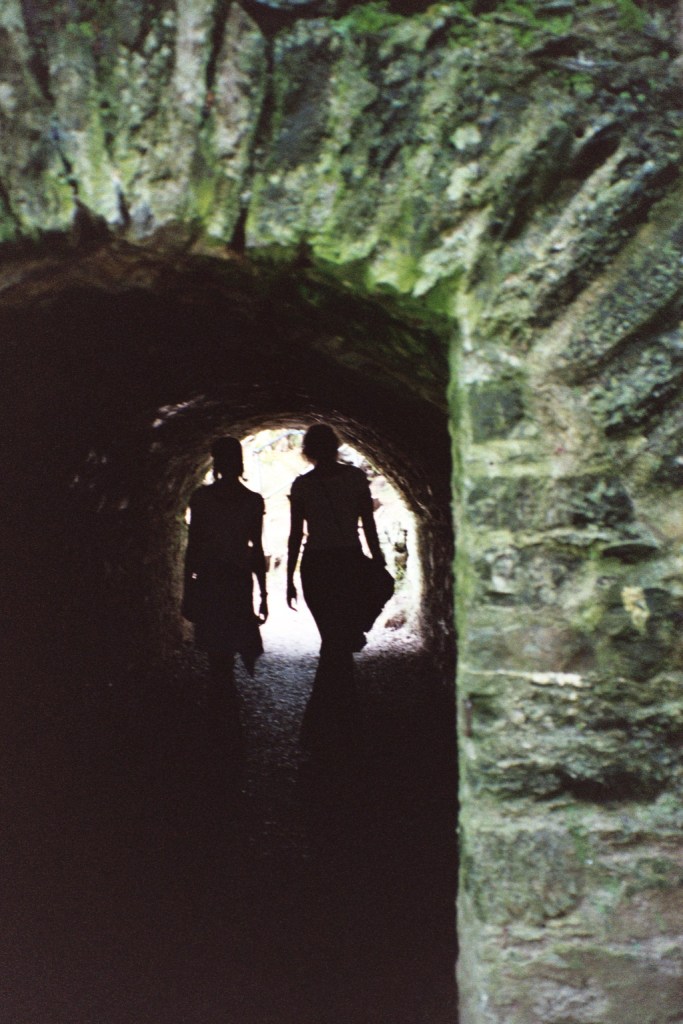
The photo above shows my teenaged daughters walking through a tunnel in Ireland in August, 2002.